Endometriosis is a benign (non-cancerous), chronic condition where tissue similar to the lining of your uterus (the endometrium) grows in other parts of your body, usually within the pelvis. This misplaced tissue, called “implants” or “lesions,” responds to your body’s monthly hormonal cycle in the same way as the uterine lining: it grows, breaks down and bleeds.
However, unlike the normal period blood, this internal bleeding has no way to leave your body. It becomes trapped, causing inflammation, swelling, and the formation of scar tissue (adhesions). This process is the primary source of pain and other symptoms. It is a condition distinct from adenomyosis (where the tissue grows into the muscle wall of the uterus), though they can co-exist.
Who Does It Affect & The Problem of Diagnostic Delay
Endometriosis is one of the most common gynaecological conditions, affecting approximately 1 in 10 women of reproductive age.
Despite being so common, diagnoses have historically faced a significant diagnostic delay. On average, women can wait between 8 to 12 years from their first symptoms to receiving a definitive diagnosis. This is often because the symptoms are mistakenly dismissed as “bad periods” or are similar to other conditions.
Risk Factors
The exact cause is unknown, but certain factors may increase your risk, including:
- Family History: Having a close relative (mother, sister) with endometriosis.
- Early Menarche: Starting your period at an unusually young age.
- Short Menstrual Cycles: Having cycles that are consistently shorter than 27 days.
Common Symptoms: Listen to Your Body
Symptoms vary widely. Some women may have no noticeable symptoms, while others experience life-disrupting pain. The severity of your symptoms does not always correlate with the extent or “stage” of the disease. Common symptoms include:
- Painful Periods (Dysmenorrhea): It is debilitating period pain that prevents you from doing normal activities and doesn’t respond well to over-the-counter painkillers.
- Chronic Pelvic Pain: A constant or recurring pain in your lower abdomen, pelvis, and lower back that can occur at any time, not just during your period. This pain can sometimes radiate down the legs.
- Pain During or After Sex (Dyspareunia). This is a very common symptom.
- Heavy or Irregular Periods (Menorrhagia).
- Pain with Bowel Movements or Urination (Dyschezia, Dysuria), especially during your period.
- Fatigue: A profound and persistent sense of exhaustion.
- Gastrointestinal Issues: Nausea, bloating, diarrhoea, or constipation, particularly around the time of your period.
- Infertility or Difficulty Getting Pregnant. Endometriosis is a leading cause of infertility, affecting 30-50% of women with the condition.
How Is It Diagnosed? A Modern, Step-by-Step Approach
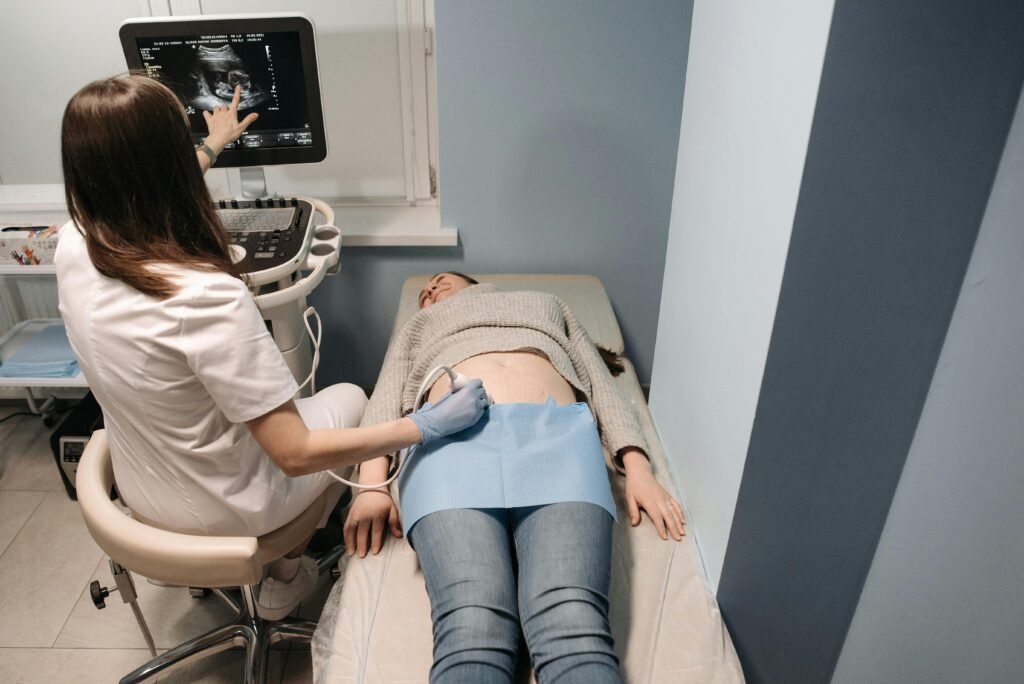
- First Steps & Imaging: Your journey will usually begin with a detailed clinical history and a pelvic exam. Your gynaecologist will then typically recommend a transvaginal ultrasound (TVUS) as the first-line imaging test. This scan is very good at detecting ovarian cysts (endometriomas) and some types of deep infiltrating endometriosis. A specialist gynaecologist can perform a high-quality transvaginal ultrasound scan to accurately detect this condition. An MRI may also be used to get a more detailed map.
- Non-Invasive Molecular Testing (Cutting-Edge Science): If your ultrasound is normal or inconclusive, but your symptoms strongly suggest endometriosis, a significant breakthrough in women’s health has recently become available: the Ziwig Endotest. This is a pain-free saliva test that provides a non-invasive, highly accurate diagnosis.
- Laparoscopy (The “Gold Standard”): This minimally invasive keyhole surgery has historically been the only way to definitively confirm a diagnosis. Increasingly, it is being reserved for women with a high clinical suspicion or a positive non-invasive test, where both confirmation and treatment can potentially happen in the same operation if disease is found.
Management & Treatment Options
There is no cure for endometriosis, but as a chronic condition, it can be very effectively managed for the long term. Your gynaecologist will help create an individualised treatment plan based on your primary symptoms (pain, bleeding, or fertility), your age, and your personal goals for pregnancy.
Medical Management (To Control Symptoms)
Modern medical options have expanded significantly and are the mainstay of long-term management.
- Pain Relief: Over-the-counter NSAIDs (like ibuprofen) are often the first step.
- First-Line Hormonal Therapy (Progestins): Medications like the progestin-only pill (e.g., desogestrel, dienogest) are today considered by many experts as the most suitable long-term medical option due to their superior long-term efficacy and more favourable side-effect profile compared to older medications.
- The levonorgestrel-releasing intrauterine system (LNG-IUS, e.g., Mirena) is another excellent first-line option, especially for heavy bleeding.
- Second-Line Hormonal Therapy (GnRH Modulators): If symptoms aren’t controlled with the above, GnRH agonists and antagonists are very effective. A new oral GnRH antagonist, Linzagolix, has been recommended by NICE for use in the NHS (England. It is typically used with “add-back” hormone therapy.
- Combined Hormonal Contraceptives: The combined oral contraceptive pill (COC), patch, or ring can help regulate or stop periods and reduce pain.
Surgical Options (For Treatment & Diagnosis)
- Laparoscopic Excision Surgery (Keyhole): This is the most effective surgical treatment. A surgeon uses keyhole instruments to cut out the endometriosis lesions and scar tissue. This is different from ablation (burning), as excision has been shown to have a lower risk of the disease coming back. However, it’s not a permanent cure as the disease can return.
- Post-Surgery Recurrence: Even after successful surgery, the risk of endometriosis returning is real. Approximately 1 in 14 women (7.1%) had a recurrence after 6 years post-surgery, rising to about 1 in 7 (14.1%) after 12 years.
Fertility & Pregnancy
- Impact: The inflammation from endometriosis can affect egg quality, embryo implantation, and fallopian tube function.
- Impact of Surgery: For women with ovarian cysts (endometriomas), surgery presents a careful balance. A complete excision of the cyst wall leads to much lower recurrence rates and higher chances of natural pregnancy, it also carries a risk of reducing your ovarian reserve (egg supply).
Frequently Asked Questions (FAQs)
Q: Is endometriosis cancer?
A: No. Endometriosis is a benign (non-cancerous) condition. It does not increase your risk of developing uterine cancer.
Q: Is endometriosis the same as adenomyosis?
A: No. Endometriosis is endometrial-like tissue outside the uterus. Adenomyosis is when it grows into the muscular wall of the uterus. However, they can occur together in some women.
Q: Does endometriosis always cause infertility?
A: No, it does not. Many women with endometriosis conceive and have healthy children naturally. However, it is a leading cause of infertility, so it should be managed early if you have concerns.
Q: What is the new saliva test for endometriosis?
A: The Ziwig Endotest is a pain-free saliva test that uses AI and DNA technology to detect endometriosis with over 96% accuracy. It offers a non-invasive alternative to diagnostic surgery.
eGynaecologist Advice
- You should seek a gynaecological consultation if you experience progressively worsening period pain that disrupts your life or any of the other common symptoms.
- If you have endometriosis and are trying to conceive, it’s crucial to have a frank discussion with your gynaecologist or a fertility specialist early on.
- Early diagnosis is the single most important factor in improving your quality of life. The landscape of diagnosis is changing, with a clear shift towards non-invasive methods first and you must discuss these options with your gynaecologist.