The Bartholin’s glands are two small glands located on either side of the vaginal opening. They produce a small amount of fluid to keep the vaginal area moist. If the duct (tiny tube) from one of these glands becomes blocked, fluid builds up and forms a painless swelling called a Bartholin’s cyst.
If this cyst becomes infected, it fills with pus and becomes very painful, red, and swollen. This is called a Bartholin’s abscess.
Marsupialisation is a minor surgical procedure to drain a persistent cyst or abscess and create a permanent new opening to prevent it from coming back.
Preparing for the Procedure
Pre-operative Assessment
- Your gynaecologist will examine the swelling to confirm it is a Bartholin’s cyst or abscess.
- They will discuss the procedure, its benefits, and alternatives (like simple incision & drainage or word catheter insertion).
Before the Procedure
- Medication: You can usually take your regular medications. Inform your doctor if you are on blood thinners.
- Anaesthesia: The procedure is usually done under local anaesthesia (numbing the area) with or without sedation, or sometimes under a short general anaesthetic.
- Fasting: If having sedation or general anaesthesia, you will be asked to fast (no food or drink) for about 6 hours beforehand.
- Support: As you may feel sore afterwards, arrange for someone to drive you home.
During the Procedure
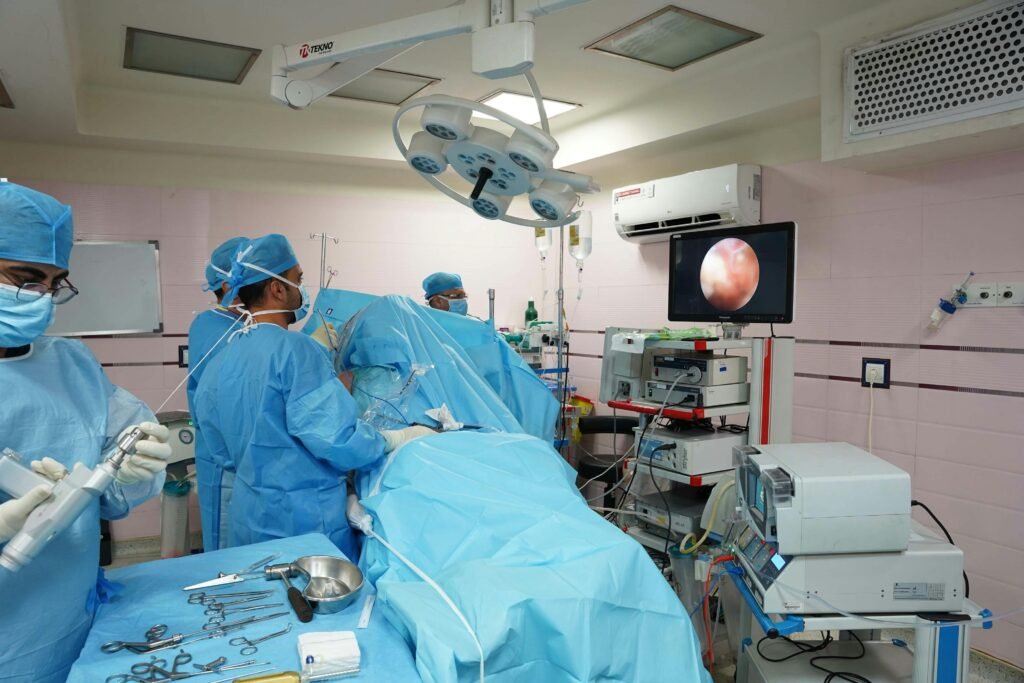
- Setting: Usually performed as a day-case procedure in an operating theatre or a well-equipped clinic room.
- Duration: The procedure itself takes about 20 to 30 minutes.
- Steps:
- Anaesthesia is given.
- A small, oval-shaped piece of skin is removed from the cyst or abscess.
- The cyst is drained of fluid or pus.
- The edges of the cyst lining are then stitched to the edges of your skin (vulval skin) with dissolvable stitches. This creates a permanent, small opening (like a pouch or “marsupium”) that allows the gland to drain freely in the future.
- After the Procedure: You will be monitored in recovery for a short time before going home. A small gauze pad may be placed over the area.
Recovery After the Procedure
First 24-48 Hours:
- Pain: You will have some soreness, which can be managed with over-the-counter painkillers like paracetamol or ibuprofen (if suitable for you).
- Swelling/Bruising: Mild swelling and bruising around the area is normal.
- Bleeding/Discharge: Expect some light bleeding or yellowish discharge for a few days. Use sanitary pads, not tampons.
Wound Care & Hygiene
- Keep wound Clean: Bathe or shower daily. Gently clean the area with warm water and pat dry.
- Sitz Baths: Starting 24 hours after surgery, sit in a warm, shallow bath (sitz bath) for 10-15 minutes, 2-3 times a day for 3-5 days. This promotes drainage, keeps the new opening clean, and soothes discomfort.
- Loose Clothing: Wear loose, cotton underwear and loose-fitting trousers or skirts to avoid friction.
Activity & Returning to Normal
- You can return to most normal activities within 1-2 days, but avoid strenuous exercise, cycling, or heavy lifting for 1-2 weeks.
- You can usually drive after 24 hours, once you feel comfortable and are not taking strong pain medication.
- Avoid sexual intercourse until the area is completely healed and comfortable, typically for at least 4-6 weeks.
Long-Term Outlook
- Healing: The dissolvable stitches will fall out on their own in 2-4 weeks. The new opening will gradually become smaller but should remain patent to allow drainage.
- Success Rate: Marsupialisation is very effective, with a low recurrencerate (around 10-15%) compared to simple drainage (which has a ~50% recurrence rate).
- Follow-up: You may have a follow-up appointment in the clinic to check healing, but often this is not needed if you recover well.
Frequently Asked Questions (FAQs)
Q: Is this a major operation?
A: No. It is a minor surgical procedure, often done under local anaesthetic. Most women go home the same day.
Q: What is the difference between this and a “Word Catheter”?
A: A Word catheter is a small balloon-tipped tube inserted into the cyst to drain it and is left in place for 4-6 weeks to form a tract. Marsupialisation is a more definitive surgical procedure that creates a permanent new opening and is often recommended for cysts or abscesses that keep coming back.
Q: Will this affect my sex life or sensation?
A: The goal is to relieve pain and prevent future problems. Once fully healed, it should not negatively affect sexual function or sensation. The area may be temporarily tender.
Q: Can I prevent Bartholin’s cysts?
A: There is no guaranteed way to prevent them, as blockage can occur spontaneously. Good genital hygiene and using condoms may reduce the risk of infection-related abscesses.
eGynaecologist Advice
- You should seek gynaecological consultation if you develop Increasing pain, redness, swelling, or foul-smelling discharge (signs of infection) or report heavy bleeding after the procedure.
You should seek early gynaecological review if the cyst or abscess returns after you have fully healed.